
Great leaders in engineering and technology do more than manage projects. They inspire people, build high-performing teams, and create resilient organizations that thrive in complexity.
Engineering Leadership is a graduate-level course that equips learners with evidence-based, practice-proven tools for leading in technical environments. Drawing on insights from Biohacking Leadership, Strategic Doing, and other research, students learn how to:
- Strengthen their executive presence by signaling warmth, competence, and gravitas.
- Build and sustain high-performing teams through psychological safety, cognitive diversity and team biodynamics.
- Design resilient organizations and ecosystems that can adapt and succeed in fast-changing environments.
The course is primarily available to students in the Purdue Master of Engineering Management program and our other Professional Master’s Programs in Engineering. If there are open seats, other graduate students are welcome to enroll.
Through interactive assignments including leadership impact demonstrations, case studies, research briefs, and a final deep-dive paper, learners move beyond theory to apply what they learn in real-world contexts. The course is taught in three parts.
Part One: Developing Executive Presence
“Executive Presence” is a term that can easily misunderstood. As used here the term “executive” has little to do with a title or a having an office in the “c-suite.” Instead, it describes patterns of behavior collectively known as “executive functions” that enable individuals to lead with vision, adaptability, and strategic thinking. In the context of leadership, “executive” refers to the capacity to effectively utilize these high-level mental processes to guide decision-making, plan strategically, regulate impulses, and adapt to changing circumstances to achieve leadership objectives. These functions are essential to navigate complexity, lead with influence, and foster organizational success. The Executive Presence portion of the ILA program enables participants to discover and develop their own authentic executive presence.
Part Two: Leading High-Performing Teams
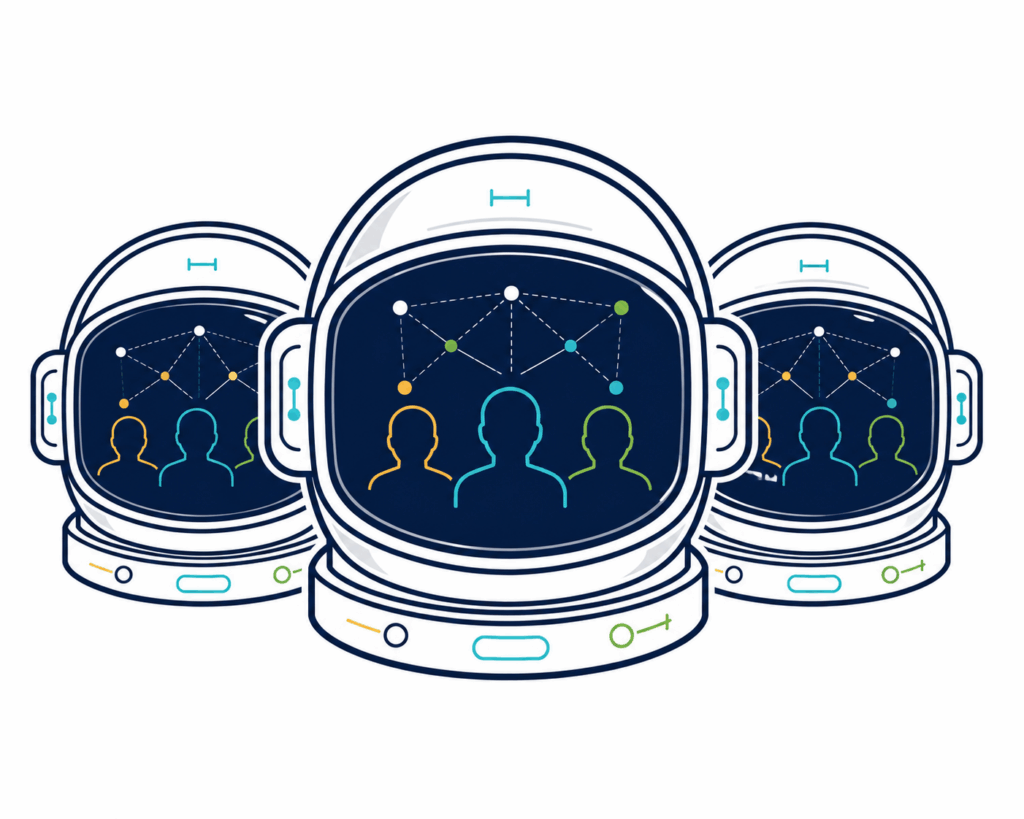
Science, engineering, and technology development are team sports. The process of innovation and discovery is too complex an undertaking for any one individual, regardless of how smart or well-resourced they may be. The basic unit of innovation and discovery is the team. Having smart, dedicated people in place is one thing, but the interaction between and among team members is another. This course helps learners leverage the power of cognitive diversity & psychological safety to help lead teams toward high performance. Cognitive diversity refers to the different ways individuals process information, solve complex problems, and optimally contribute to growth, innovation, and change. Psychological safety is the shared belief, among team members, that it is okay to take interpersonal risks, to express their ideas and concerns, and to admit mistakes – all without fear of negative consequences. Research indicates that these two factors greatly influence the ways in which team members interact with one another. Learners discover how to build and lead teams that have high degrees of both cognitive diversity and psychological safety.
Designing and Transforming Organizations and Ecosystems
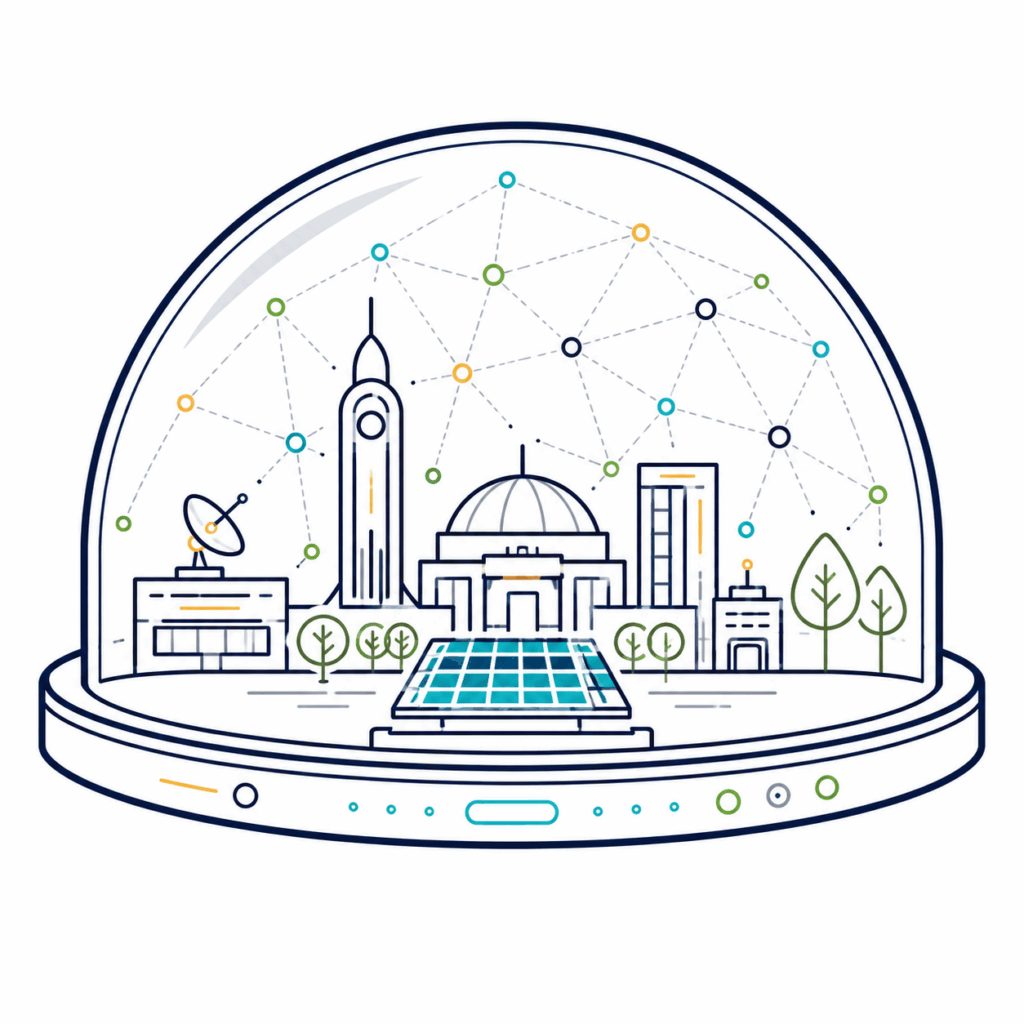
Great science, engineering, and technology-focused teams and organizations must span boundaries. A culture of innovation and discovery requires leaders to learn and follow a set of simple (but not easy) rules to design, guide, and transform organizations and ecosystems by forming complex intra- and inter-organizational collaborations quickly, moving those collaborations toward measurable strategic outcomes, and making adjustments along the way. The ILA allows participants to learn, practice, and begin mastering the simple rules that govern complex collaboration. Embedded into the ILA is the opportunity for participants to become certified Strategic Doing Practitioners, a strategy discipline incubated at Purdue University, taught to over 4,000 leaders from 147 countries.
Textbooks and Other Learning Resources
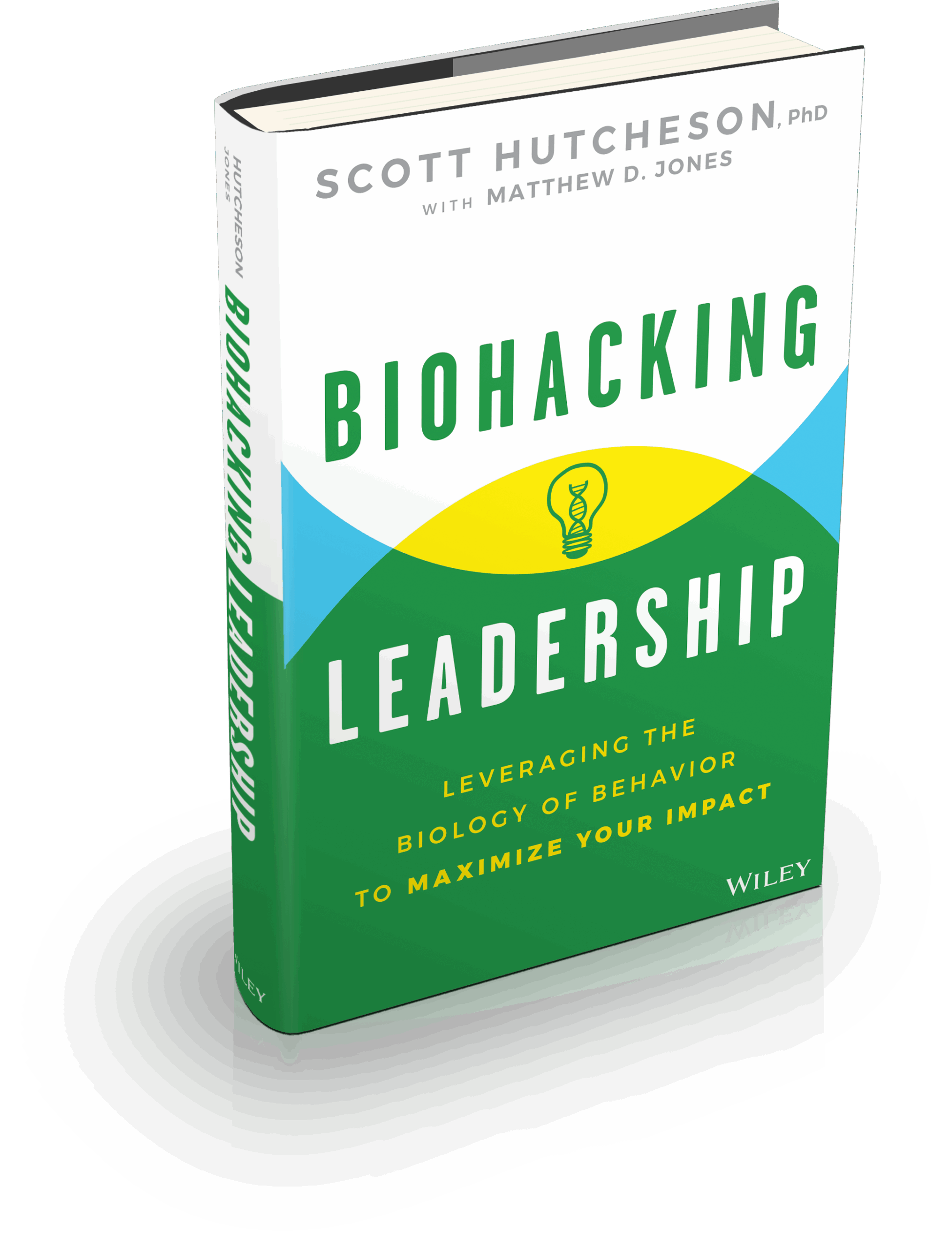
The two main text for the class are Strategic Doing: Ten Skills for Agile Leadership (Wiley 2019) and Biohacking Leadership: Leveraging the Biology of Behavior to Maximize Your Impact (Wiley, 2025). Both books are available from most online retailers including Amazon here and here. You’ll also get previews of works-in-progress on team performance and organizational resilience. In addition to these texts you’ll also get practical case studies and research briefs to assist with your learning. You can find a copy of the syllabus here.
Course Designer & Instructor

This course was designed and is taught by Scott Hutcheson, PhD, faculty member in the Purdue College of Engineering in the Edwardson School of Industrial Engineering. For over 30 years, Dr. Hutcheson has had one foot inside the university and the other outside of it. His Purdue graduate courses have been on the programs of study in four different colleges: College of Engineering, Purdue Polytechnic Institute, the Daniels School of Business, and the College of Liberal Arts. Additionally, he directed Purdue’s undergraduate program in organizational leadership.
Dr. Hutcheson also works with corporate leaders and has advised three U.S. presidential administrations on policy issues related to technology and competitiveness. Hutcheson is co-author of Strategic Doing: Ten Skills for Agile Leadership (Wiley 2019) and author of Biohacking Leadership: Leveraging the Biology of Behavior to Maximize Your Impact (Wiley, 2025). Biohacking Teams: Leveraging the Biology of Behavior for Peak Performance, and Biohacking the Future: Leveraging the Biology of Behavior for Systems Change (both forthcoming from Wiley). Scott is also a regular contributor to Forbes, Fortune, Fast Company, Inc. Magazine, and many other publications. Although he does not currently have an active university research agenda, he has secured support for and served as PI on over $35 million in funded research.